Plan Your Trip to Cluj-Napoca
Everything you need to know before visiting Cluj-Napoca: how to get here, when to visit, getting around the city, and practical tips that will make your trip easier.
When to Visit Cluj-Napoca
Spring (April to June)
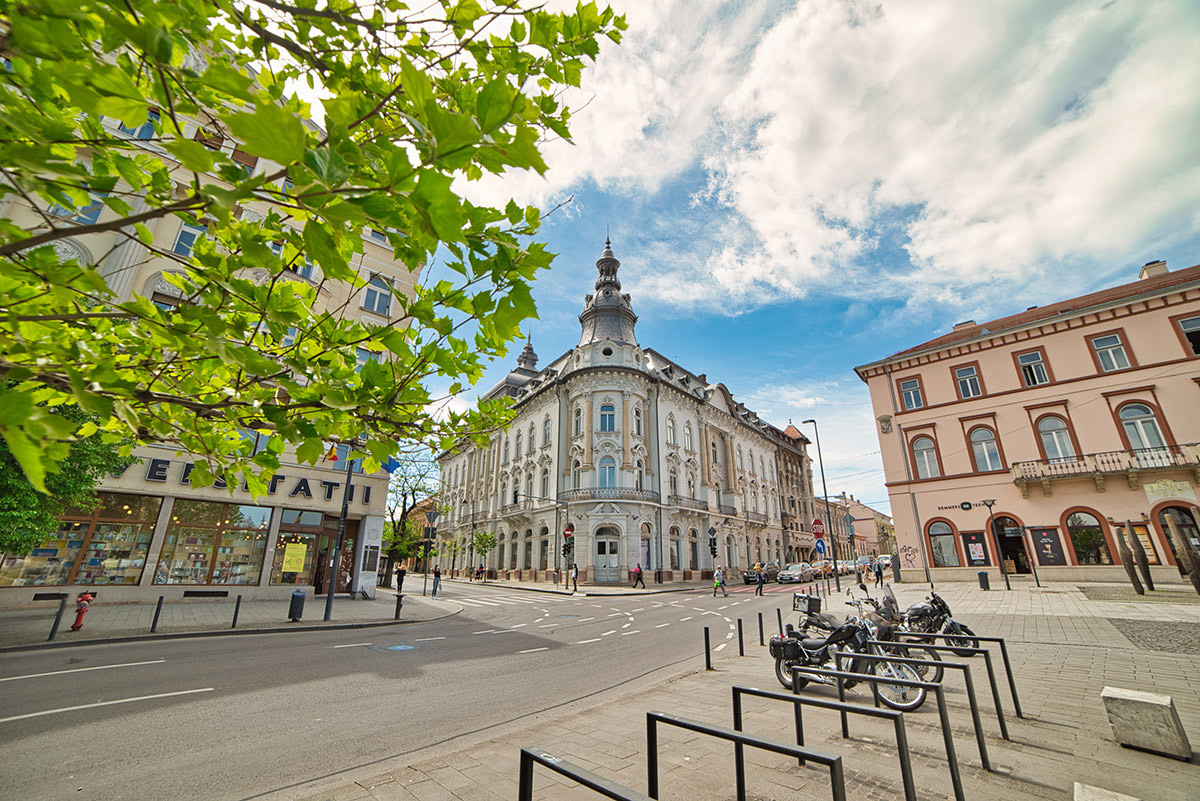
One of the best times to visit. Mild temperatures, flowers in the Botanical Garden and Central Park, and the city at its most pleasant before the summer crowds arrive. June brings the Transylvania International Film Festival (TIFF), one of the best reasons to visit the city.
Summer (July to August)
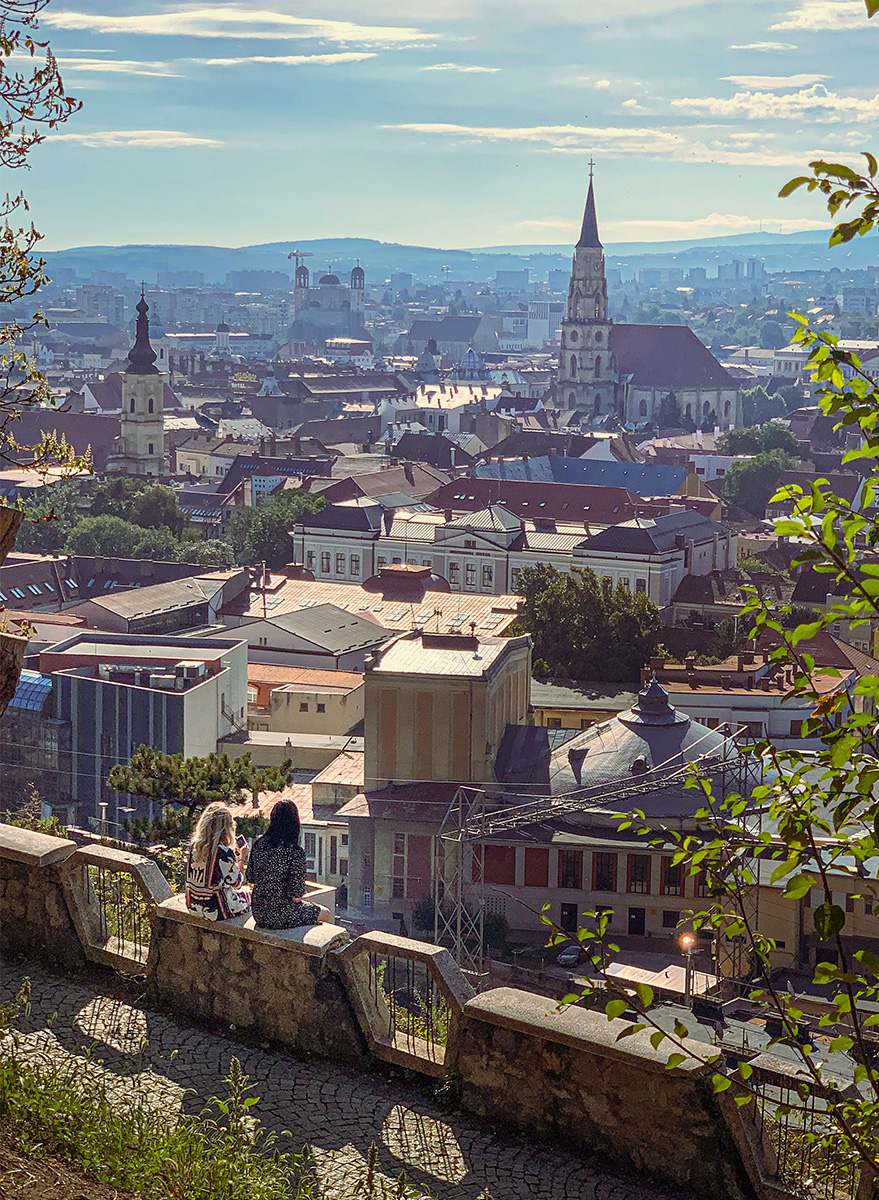
Warm and busy, especially during UNTOLD in Cluj-Napoca and Electric Castle at Bánffy Castle in Bonțida. Check the official festival dates before booking, as accommodation demand rises around these events. For a quieter stay, choose dates outside the festival periods.
Autumn (September to October)
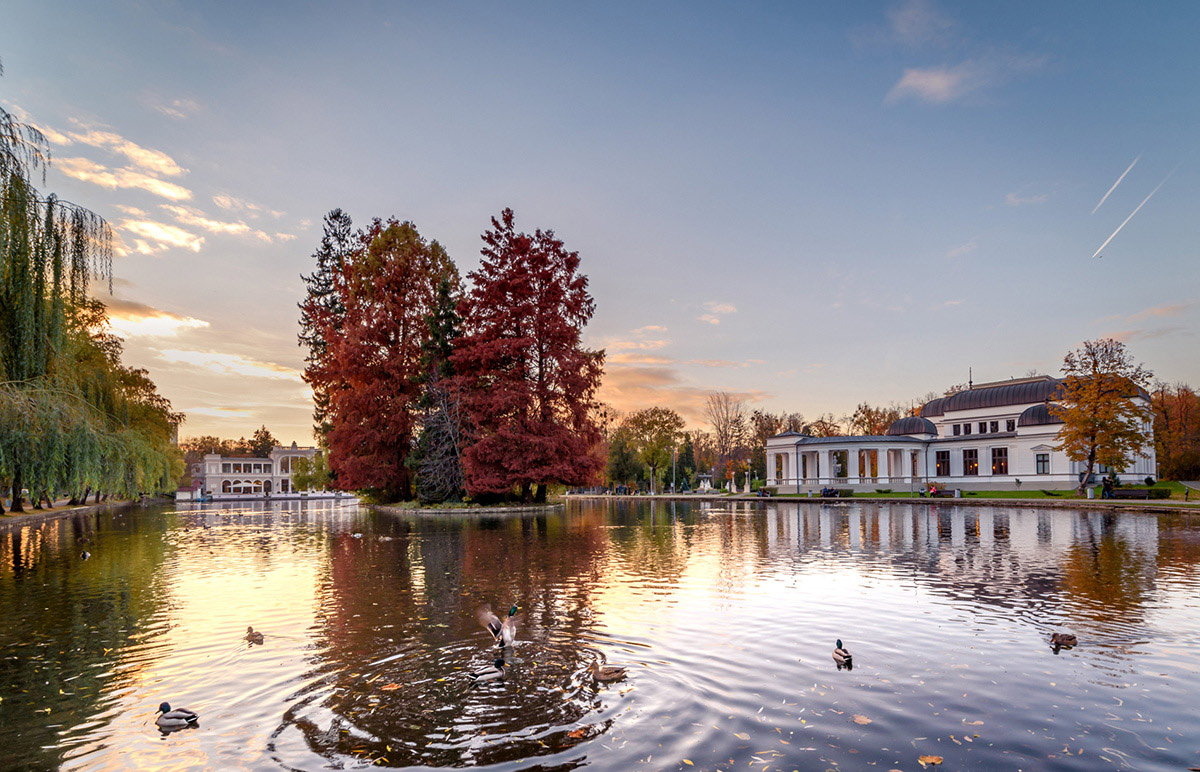
Arguably the best time to visit. Warm days, cool evenings, fewer tourists than summer, and the city looking its best with autumn colors. University term starts in October and the city fills back up with students, which gives it a lively atmosphere.
Winter (November to March)
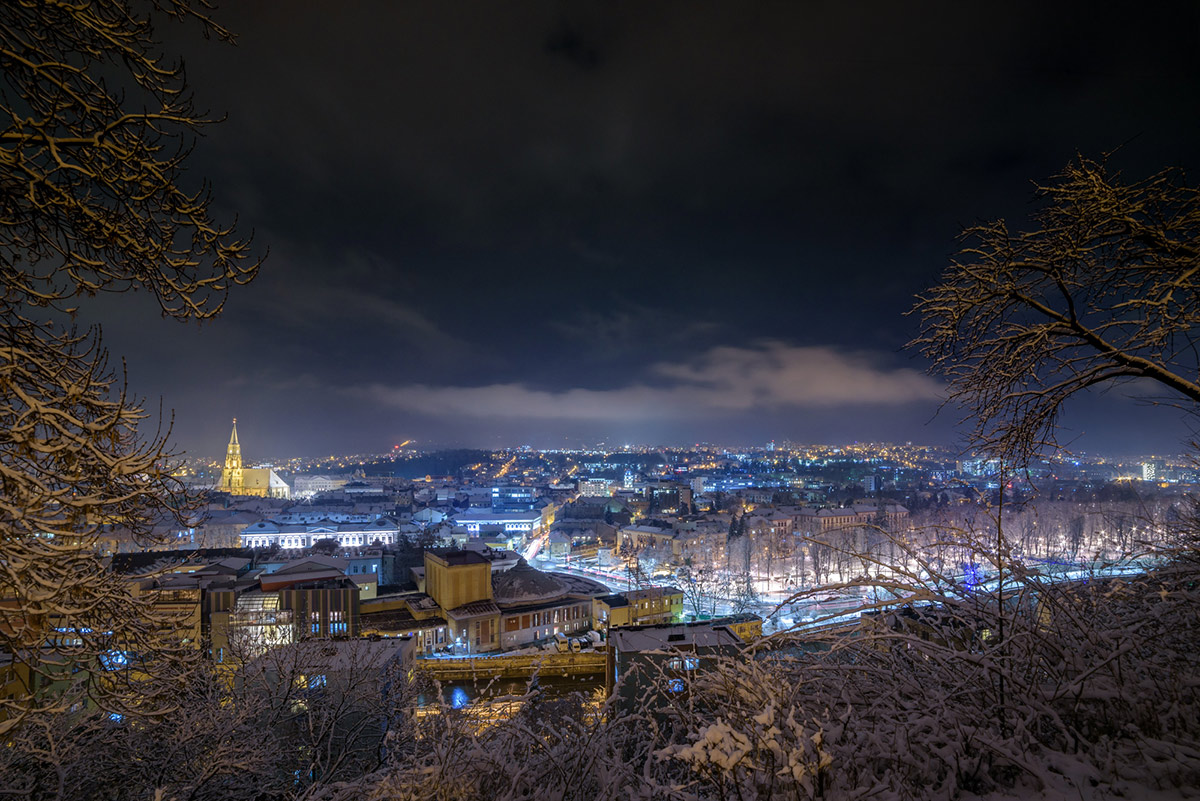
Winter is colder and quieter, with snow possible but never guaranteed in the city. December brings festive markets and illuminated streets. Find confirmed dates and a short evening walk in our Cluj Christmas lights and markets guide. January and February are usually calmer.
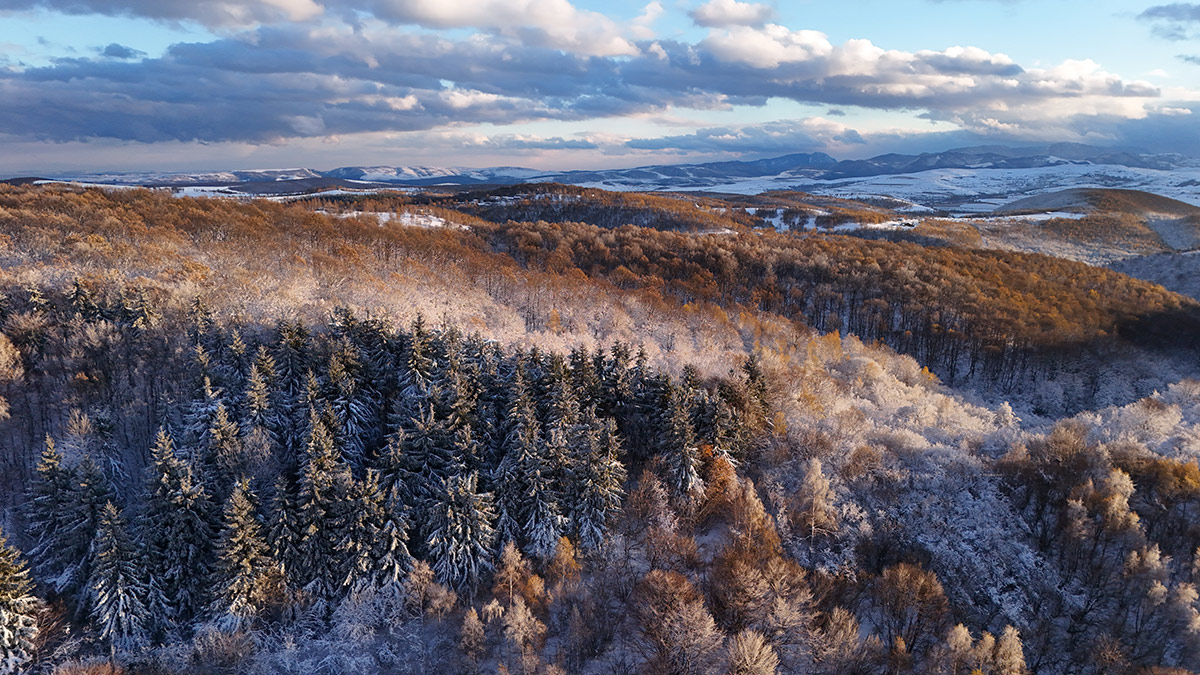
Winter also has a quieter side just outside the city. When snow covers Făget forest, the wooded hills offer a different view of the Cluj area. Check weather and path conditions before heading out for a walk.
How to Get to Cluj-Napoca
By Plane
Cluj International Airport (CLJ) is east of the city center. Direct routes and airlines change, so check current flights before planning connections. Public buses A1E, 5 and 8 serve the airport; see the airport transport guide for the latest route and timetable.
By Train
Cluj has rail connections to Bucharest, Brașov and other Romanian cities. Journey times depend on the service and route. Check the current timetable and book a seat in advance for popular dates. The main railway station is north of the old town.
By Bus
Intercity buses connect Cluj with other Romanian cities and some international destinations. Operators and departure points vary by route, so confirm the station and timetable on your ticket.
By Car
Cluj is connected by road to other Romanian cities and neighboring Hungary. Motorways cover only parts of many journeys. Check the current route, traffic and border conditions before departure, and allow extra time for mountain roads.
Getting Around Cluj-Napoca
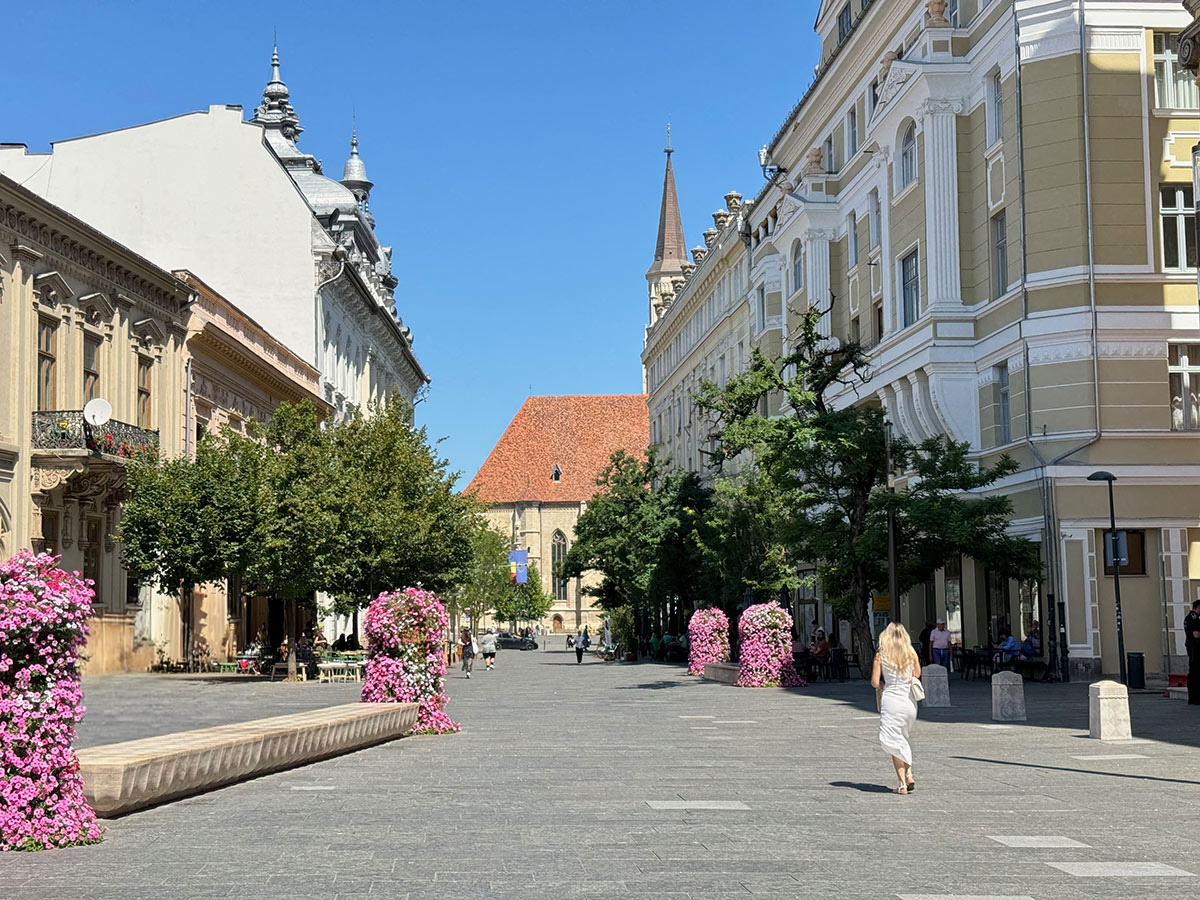
Walking
The city center is compact and very walkable. Many old town sights, cafés and central hotels are within about a 20 minute walk of Piața Unirii. Sights farther from the center may need a longer walk or a bus ride. For a central hotel, you will rarely need public transport to get around the main sights.
Tram and Bus
CTP runs buses, trolleybuses and trams across Cluj-Napoca. A standard urban single ticket is 3.50 RON according to the published CTP tariff; check again before travelling. Tickets are available through CTP ticket machines and supported mobile payment options. Check the route and last service for your journey.
Uber and Taxi
Ride-hailing apps and licensed taxis are available in Cluj. Compare the app quote with a taxi fare estimate, and use the meter for a regular taxi. Allow extra time when traffic is heavy or events affect access to the center.
Car Rental
Useful if you plan to do day trips. Several international and local rental companies operate from the airport and city center. Romanian roads outside the major cities can be slow, so factor in extra time for journeys.
Money and Payments
Romania uses the Romanian leu (RON). Exchange rates change, so check the current rate before you travel. Card payments are common in Cluj, while some smaller shops and markets may still be easier with cash. ATMs are available in the center.
Tip: If you withdraw cash, choose to be charged in RON and check your card provider’s exchange and ATM fees. Compare rates before using an airport exchange desk.
Language
Romanian is the official language. Cluj also has a significant Hungarian-speaking community. English is widely spoken in restaurants, hotels, and among younger Romanians. In tourist areas you will rarely have difficulty communicating in English. Learning a few basic Romanian phrases is appreciated by locals.
Useful Romanian Phrases
- Buna ziua: Good day
- Multumesc: Thank you
- Va rog: Please
- Cat costa?: How much does it cost?
- Un meniu, va rog: A menu please
- Nu inteleg: I do not understand
Safety and Health
Cluj is a safe city by any European standard. Petty theft in crowded areas is the main risk, so keep an eye on bags and pockets in busy markets and public transport. The tap water is safe to drink. Romania is an EU member state so European Health Insurance Cards (EHIC) are valid. Travel insurance is always recommended.
Connectivity
Wi-Fi is common in cafés, hotels and restaurants, but speed and access vary. If your mobile plan includes EU roaming, you can normally use it in Romania under the Roam Like at Home rules, subject to fair use limits. Check your operator’s allowance before travelling; a SIM from elsewhere in Europe does not automatically include free roaming. You can compare local prepaid SIM or eSIM options if your plan does not cover Romania.
Electricity and Plugs
Romania uses the standard European plug type (two round pins, 230V). UK and US visitors will need an adapter. Most hotels provide European sockets in rooms.